
Singapore may not have four distinct seasons like other countries, but homeowners still experience changes in rainfall, humidity, temperature, and weather conditions throughout the year. These environmental changes can gradually affect walls, ceilings, flooring, windows, plumbing, bathrooms, balconies, and other parts of a property.
Regular property inspections are an effective way to identify potential problems before they become costly repairs. This is particularly important for homeowners living in newly completed HDB flats, BTO units, and condominiums, where construction and workmanship defects may not always be immediately obvious.
A professional condo defect inspection, HDB defect inspection, or BTO defect inspection can provide a more systematic assessment of the property. With professional assistance from A1Inspection.Sg, homeowners can identify potential defects and better understand which areas require attention.
Why Seasonal Property Inspections Are Important
Singapore’s tropical climate exposes homes to high humidity, frequent rain, strong sunlight, and changing weather conditions. Heavy rainfall can reveal problems involving windows, ceilings, balconies, external walls, and drainage systems, while prolonged humidity can contribute to mold, dampness, paint deterioration, and other moisture-related issues.
Some property defects may remain hidden during a normal walkthrough. For example, a small crack around a window may not appear serious until heavy rain causes water seepage. Similarly, a slightly uneven bathroom floor may eventually contribute to water pooling.
Carrying out regular inspections gives homeowners an opportunity to spot early warning signs.
For newly completed properties, a professional HDB defect check, BTO defect check, or condo defect check can be particularly useful because homeowners may not know what construction details to examine.
1. Inspect Ceilings for Water Damage
Ceilings should be one of the first areas checked after periods of heavy rainfall.
Look for:
- Brown or yellow water stains
- Peeling paint
- Bubbling surfaces
- Damp patches
- Cracks
- Mould
- Discolouration
A recurring ceiling stain may indicate water seepage from an upper-floor unit, plumbing installation, roof area, bathroom, or another source.
Do not assume that repainting the affected area will solve the problem. If moisture continues to enter the ceiling, the underlying cause needs to be investigated.
During a professional condo defect inspection or HDB defect inspection, these areas can be assessed more systematically.
2. Check Walls for Cracks and Dampness
Walls can develop visible changes because of moisture, settlement, workmanship issues, or general wear and tear.
Inspect both internal and external-facing walls for:
- Hairline cracks
- Larger cracks
- Damp patches
- Flaking paint
- Bubbling paint
- Mold
- Water marks
Pay particular attention to walls near bathrooms, windows, balconies, and kitchens.
A small cosmetic imperfection may not necessarily indicate a serious structural issue, but recurring cracks or moisture should not be ignored.
For newly completed homes, homeowners can include these areas in an HDB defect check or BTO defect check before submitting a list of defects.
3. Examine Windows and Window Frames
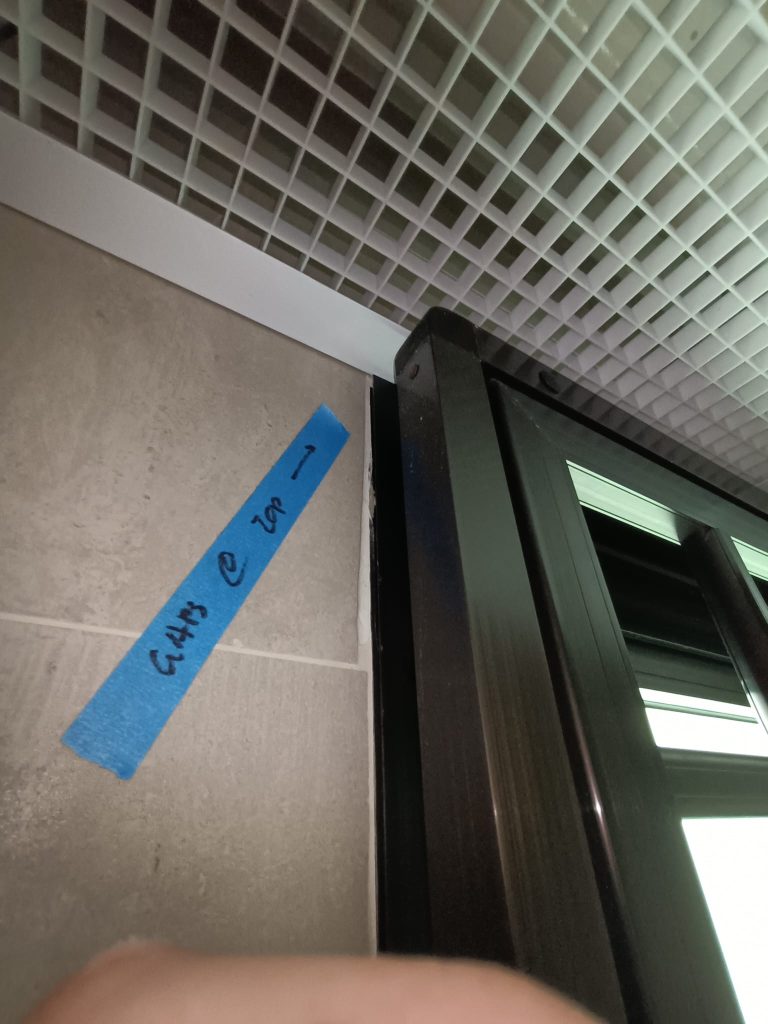
Windows are exposed to rain and sunlight throughout the year. Damaged seals, gaps, or poor drainage around window frames can allow water to enter the home.
Check for:
- Cracked sealant
- Damaged rubber seals
- Gaps around frames
- Water stains
- Rust
- Difficult operation
- Water accumulation inside tracks
After heavy rain, inspect the area around windows for signs of moisture.
If water repeatedly enters through the same window, professional assessment may help determine whether the issue is related to the frame, sealant, drainage, or surrounding wall.
A thorough condo defect check or HDB defect check should include accessible windows and surrounding finishes.
4. Inspect Bathrooms Carefully
Bathrooms are among the most moisture-intensive areas in any home.
Check shower areas, toilets, sinks, walls, floors, and pipe connections for potential defects.
Watch for:
- Loose tiles
- Cracked tiles
- Damaged grout
- Poor sealant
- Water pooling
- Damp walls
- Leaking pipes
- Mold
- Unusual smells
Water should drain efficiently without excessive pooling. If water consistently collects in a particular location, the area should be examined further.
For new HDB and BTO homeowners, a professional HDB defect inspection or BTO defect inspection can help identify bathroom defects that may otherwise be overlooked.
5. Check Balconies and Exposed Areas
Condominium balconies and other exposed areas are particularly vulnerable to Singapore’s weather.
After heavy rainfall, check whether water drains away properly. Standing water may indicate blocked drainage or an issue with the floor gradient.
Inspect for:
- Cracked tiles
- Damaged grout
- Water pooling
- Blocked drains
- Wall cracks
- Damaged sealant
- Water stains
A recurring balcony water problem should be investigated rather than ignored.
For condominium owners, a detailed condo defect inspection can be useful when assessing balconies, windows, external-facing walls, and other areas exposed to rain.
6. Look for Mold and Mildew
High humidity can encourage mould growth, particularly in areas with poor ventilation.
Common locations include:
- Bathroom corners
- Window areas
- Wardrobes
- Ceilings
- Behind furniture
- Air-conditioning areas
- Walls exposed to moisture
Small patches may initially appear harmless, but recurring mould can indicate an ongoing moisture problem.
If mould continues to return after cleaning, homeowners should investigate the source rather than repeatedly treating the visible surface.
7. Inspect Floors and Tiles
Flooring can also reveal potential workmanship or moisture-related problems.
Walk through each room and look for cracked, chipped, uneven, or loose tiles. Pay particular attention to bathrooms, kitchens, balconies, and other areas frequently exposed to water.
Potential warning signs include:
- Cracked tiles
- Uneven flooring
- Loose tiles
- Damaged grout
- Gaps
- Water stains
- Hollow sounds when walking over certain tiles
For newly completed properties, these observations can form part of a professional BTO defect check, HDB defect check, or condo defect check.
8. Check Kitchen and Plumbing Areas
Kitchen cabinets can sometimes conceal plumbing problems.
Open the cabinet beneath the kitchen sink and inspect pipe connections, hoses, and surrounding surfaces.
Look for:
- Water droplets
- Damp cabinet panels
- Swollen wood
- Water stains
- Corrosion
- Leaking joints
- Unusual odors
Even a small plumbing leak can gradually damage cabinets and flooring.
Homeowners should also check around sinks and other water fixtures for signs of persistent moisture.
9. Inspect Drainage Points
Drainage becomes particularly important during periods of heavy rainfall.
Check accessible floor traps, balcony drains, and other drainage points for debris or blockages.
Warning signs include:
- Slow drainage
- Standing water
- Overflow
- Bad smells
- Gurgling sounds
- Water backing up
Regular cleaning can help prevent minor blockages, but persistent drainage issues may require further investigation.
10. Pay Attention to Paint and Finishes
Changes in humidity and moisture can affect paintwork and other finishes.
Inspect walls, ceilings, skirting boards, doors, and other finished surfaces for:
- Peeling paint
- Bubbling
- Cracks
- Discoloration
- Uneven finishes
- Water marks
- Damaged edges
These imperfections are especially worth documenting in newly completed properties.
A professional HDB defect inspection, BTO defect inspection, or condo defect inspection can help homeowners create a more systematic record of visible defects.
11. Perform an Inspection After Heavy Rain
One of the most useful times to inspect your property is shortly after significant rainfall.
Rain can reveal issues that may not be visible during dry weather.
Check:
- Windows
- Ceilings
- Balcony areas
- External-facing walls
- Bathroom ceilings and walls
- Drainage points
- Areas around plumbing fixtures
If you notice water seepage, take photographs and record when it occurred. Keeping a record can help identify whether a problem is recurring.
12. New Homeowners Should Consider a Professional Inspection
New homeowners often focus on furniture, renovation, appliances, and moving arrangements. However, checking the property for defects should also be a priority.
A newly completed home can contain defects involving tiles, paintwork, doors, windows, plumbing, flooring, sealant, and other finishes.
A professional condo defect inspection can help condominium owners assess their new unit. Similarly, an HDB defect inspection can help HDB homeowners identify issues, while a BTO defect inspection can provide a structured assessment of a newly collected BTO flat.
Instead of relying solely on a quick visual walkthrough, a systematic condo defect check, HDB defect check, or BTO defect check can make it easier to document issues.
13. Keep a Property Inspection Checklist
Homeowners can make seasonal inspections more effective by keeping a simple checklist.
Your checklist can include:
- Walls
- Ceilings
- Windows
- Doors
- Flooring
- Tiles
- Bathrooms
- Kitchen
- Plumbing
- Drainage
- Balconies
- Paintwork
- Mould and moisture
Record the date, location, photographs, and description of anything unusual.
This makes it easier to compare the condition of your property over time and identify recurring problems.
When Should You Arrange a Professional Inspection?
A professional inspection may be worthwhile if you discover recurring water seepage, unexplained cracks, loose tiles, mould, poor finishing, drainage problems, or other defects.
It can be especially beneficial when:
- You have recently collected your BTO keys
- You have moved into a new HDB flat
- You have received a new condominium unit
- You are preparing a defect list
- You suspect hidden workmanship problems
- A previous repair did not resolve an issue
- You want a systematic assessment of your property

A1Inspection.Sg provides professional inspection services to help homeowners identify potential property defects.
Whether you require a condo defect inspection, HDB defect inspection, or BTO defect inspection, having your property assessed systematically can help you identify issues that may otherwise be missed.
Protect Your Property With Regular Inspections
Singapore’s humid climate and frequent rainfall can gradually expose weaknesses in a property’s construction, finishes, drainage, windows, plumbing, and moisture protection.
Regular inspections give homeowners an opportunity to detect warning signs early. For newly completed properties, a professional inspection can provide an even more detailed assessment.
From a condo defect check to an HDB defect check or BTO defect check, the goal is to identify and document potential problems before they become more difficult and expensive to address.
If you are a homeowner looking for professional property inspection support, A1Inspection.Sg can help you carry out a systematic assessment of your property. Whether you are checking a newly completed home or monitoring an existing property for seasonal issues, professional inspection can give you greater confidence in understanding your home’s condition.
SEARCHING FOR A RELIABLE PROPERTY INSPECTION SPECIALIST THAT HOMEOWNERS AND BUSINESSES ACROSS SINGAPORE CAN TRULY DEPEND ON?
A1Inspection.sg offers comprehensive inspection services focused on uncovering hidden defects, moisture intrusion, structural irregularities, waterproofing issues, wall cracks, ceiling seepage, window leakage, and other common property concerns. Every inspection is handled by experienced professionals who respond promptly, deliver clear and detailed findings, and provide practical guidance to help minimize recurring problems and avoid unnecessary repair costs.
With more than a decade of hands-on industry experience, A1Inspection.sg has supported residential and commercial clients across HDB flats, condominiums, and landed properties—earning strong recommendations through positive reviews on Google and Facebook, along with consistent workmanship and dependable service. Transparent reporting, accurate assessments, and high professional standards remain central to every inspection carried out.
For prompt and thorough defect inspection assistance, property owners across Singapore continue to rely on A1Inspection.sg for clear insights and lasting peace of mind.
WhatsApp +65 9366 6622 to arrange professional inspection support today.