
Purchasing a new home is an exciting milestone, but before settling in, one crucial step should never be overlooked: a thorough defect inspection. Whether you have just received the keys to your new home or are about to finalize your purchase, conducting a meticulous inspection can save you from unexpected repair costs and future headaches. Many new homeowners assume that their property is delivered in perfect condition, yet statistics reveal that while 86% acknowledge the importance of defect inspections, only 14% actually carry them out.
A home may appear flawless at first glance, but underlying defects can range from minor cosmetic imperfections to significant structural issues. Without a detailed inspection, these problems might go unnoticed until they become costly repairs. Understanding what to look for and enlisting expert help can ensure your home meets quality standards and is free from potential issues.
Why a Defect Inspection is Essential
A defect inspection is not just about identifying visible damages; it also involves uncovering hidden issues that may lead to serious consequences. Defects are not always as obvious as cracked tiles or peeling paint. Some problems, like water seepage, uneven flooring, or misaligned fixtures, require expert assessment. For instance, floor tiles must adhere to specific levelness standards before they are classified as defective. Without this knowledge, homeowners may struggle to get their developers to rectify the problem.
Another significant concern is latent defects—issues that are not immediately visible but can cause long-term damage. Water damage hidden behind walls, poorly installed plumbing, or substandard electrical wiring can all result in costly repairs down the road. Left unaddressed, these defects can lead to mold growth, structural instability, or even safety hazards.
To ensure a defect-free home, a thorough inspection is essential. While homeowners can conduct preliminary checks, professional inspectors have the expertise, tools, and industry knowledge to identify defects that might otherwise go unnoticed.
DIY Home Inspection Tips
For those who want to perform an initial assessment of their home, here are some critical areas to inspect:
1. Flooring
- Check for uneven surfaces and gaps between tiles.
- Look for cracks, discoloration, and stains.
- Tap tiles lightly to detect hollow sounds, which may indicate improper adhesion.
- Inspect joints to ensure they are sealed and aligned correctly.
2. Walls & Ceilings
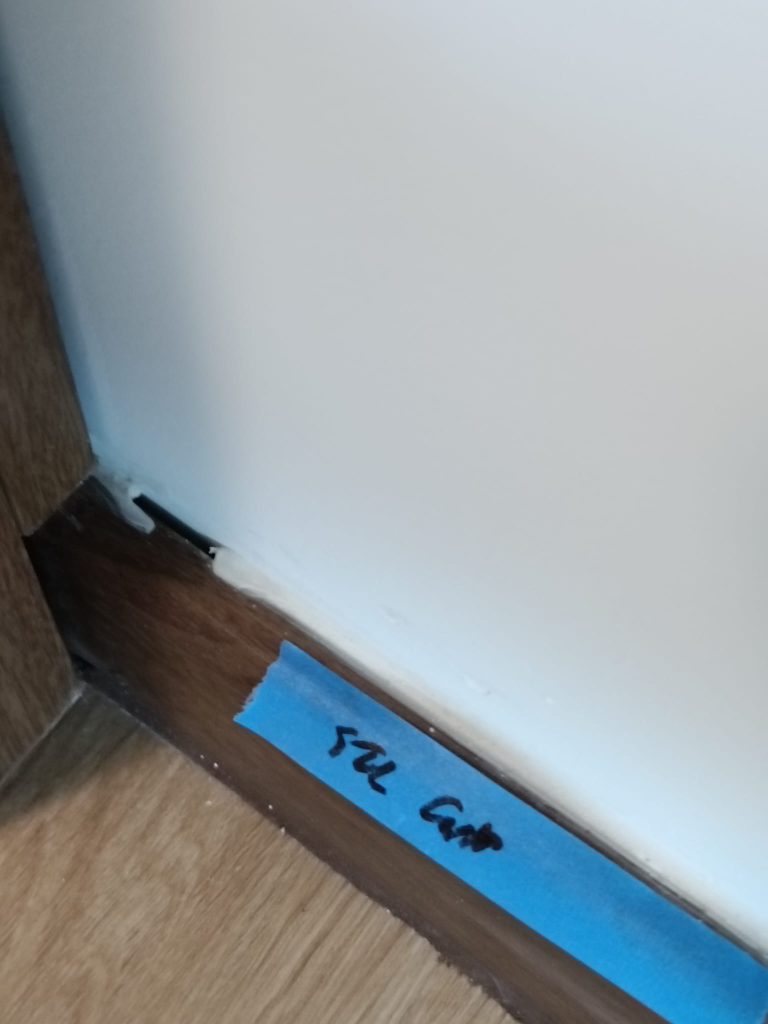
- Ensure that surfaces are smooth and free of brush marks or paint inconsistencies.
- Look for cracks, peeling paint, or water stains, which may indicate leakage.
- Check for bulging or uneven areas that could suggest poor plastering or water retention.

3. Doors & Windows
- Open and close all doors and windows to ensure smooth operation.
- Inspect for scratches, dents, and any signs of warping.
- Check that hinges, locks, and fasteners are rust-free and securely installed.
- Look for gaps between door frames and walls that might allow air leaks.

4. Carpentry & Joinery
- Examine built-in cabinets and wardrobes for proper alignment.
- Check for smooth operation of drawers and doors.
- Look for unfinished edges, poor varnishing, or loose hinges.
- Ensure that shelving is stable and securely fastened.

5. Electrical Fixtures
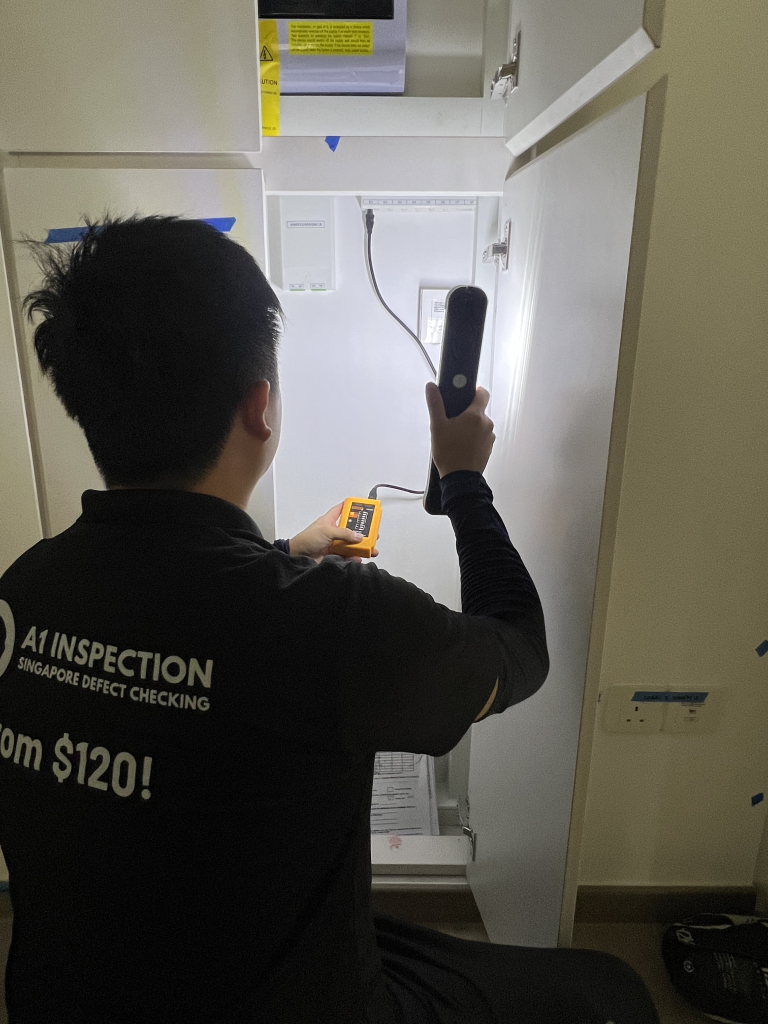
- Test all power outlets and light switches to confirm functionality.
- Ensure that switch panels are properly aligned and free from defects.
- Verify that there are no exposed wires.
- If possible, check for circuit irregularities using a voltage tester. Note: Avoid inspecting electrical wiring if you are not professionally trained. Always turn off power supplies before handling electrical fixtures.
6. Plumbing & Sanitary Fittings
- Inspect sinks, toilets, and bathtubs for visible cracks.
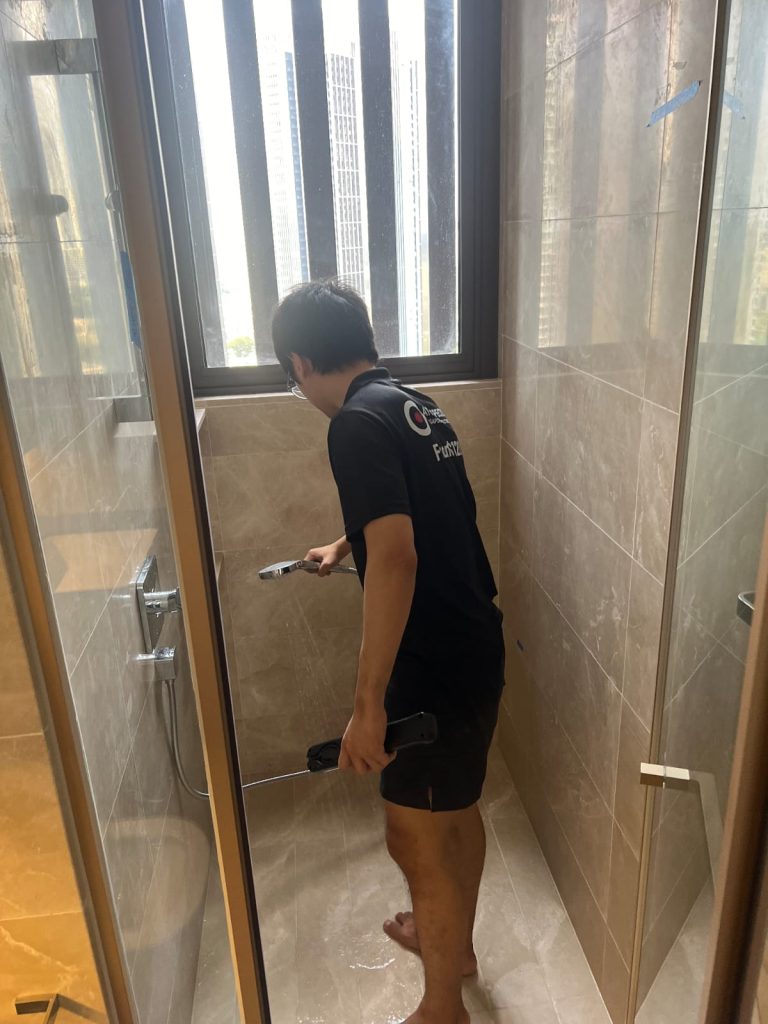
- Turn on taps and showers to check for adequate water pressure.
- Look for leaks around pipe joints and beneath sinks.
- Flush toilets to ensure proper drainage and functioning.
- Observe if water takes longer than usual to drain, which might indicate a blockage.
While these steps cover the basics, a more in-depth assessment by a professional can uncover hidden defects and provide a comprehensive report on your home’s condition.
Advanced Home Inspection Techniques
Professional defect inspectors utilize specialized tools and techniques to assess properties with a higher degree of accuracy. Some advanced inspection methods include:
- Thermal Imaging: Identifies water leaks and insulation gaps behind walls.
- Moisture Meters: Detects hidden water damage that may not be visible.
- Hollow Tile Detection Tools: Pinpoints flooring defects that may lead to loose tiles over time.
- Borescope Cameras: Used to inspect concealed areas like drainage pipes and floor traps.
- Structural Scanners: Detects weaknesses in concrete structures, ensuring compliance with safety regulations.
Why Choose A1inspection.SG?

For a thorough and reliable defect inspection, A1inspection.SG is your trusted expert in identifying property defects. Our team of experienced professionals conducts comprehensive inspections following industry best practices, ensuring that every corner of your home is checked for potential issues.
What Sets A1inspection.SG Apart?
✅ Extensive Checks: We perform over 100 defect inspections, covering everything from flooring and walls to concealed plumbing and electrical issues. ✅ Advanced Tools: Our inspections go beyond visual checks, utilizing high-tech equipment to detect hidden defects. ✅ Detailed Reports: Our comprehensive defect reports provide clear explanations, photo documentation, and recommendations for rectification. ✅ Developer Coordination: We assist in communicating with developers to ensure defects are properly addressed before handover. ✅ Time-Saving & Stress-Free: Our professional services save you the hassle of identifying and reporting defects, ensuring a seamless home-buying experience.
When Should You Schedule a Defect Inspection?
The ideal time to conduct a defect inspection is before moving in. Here are key milestones to schedule an inspection:
- Upon Key Collection: Conduct a thorough check before signing off on property handover.
- Before Renovations: Identifying defects before renovations prevents complications with contractors.
- Post-Renovation: Ensures workmanship meets quality standards and that no new defects were introduced.
Book Your Home Inspection Today!
Don’t leave your home’s quality to chance. Whether you’re a first-time homeowner or upgrading to a new property, ensure your investment is protected with a professional defect inspection.
📞 Contact A1inspection.SG today for a comprehensive home inspection! Visit A1inspection.SG to schedule an appointment and enjoy peace of mind in your new home.
By choosing A1inspection.SG, you’re ensuring that your dream home is free from hidden surprises. Get in touch today and let our experts help you achieve a flawless living space!